All Categories
Featured
The Complete Guide to Higher Credit Ratings
Table of Contents
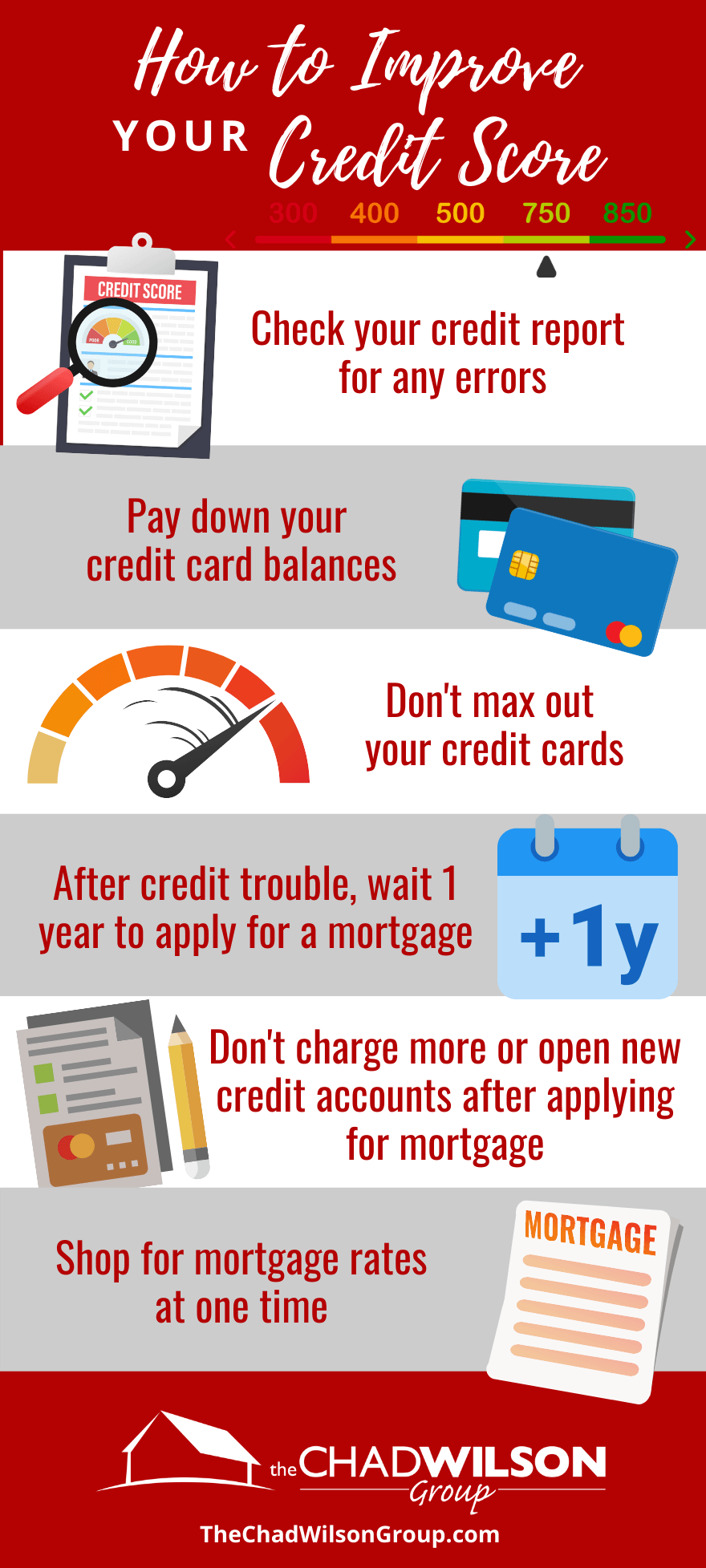
Make sure all the financial obligations noted are yours which balances you've paid off are reported precisely. Do not hesitate to contest anything you think is incorrect. For an extra layer of defense in this age of identity theft, I recommend if you do not prepare to apply for brand-new credit quickly.
It may seem like you can't get credit unless you already have it. There are a few ways to begin developing a credit history.
As you make monthly payments on the account, it's reported to the credit companies, and you begin constructing a history. Get a co-signer. Ask someone with an established credit report (such as a parent, grandparent, or guardian) to cosign your loan or credit application. You and your cosigner will both be accountable for the financial obligation, so any associated credit information will impact both of you.
How Professional Financial Guidance Boosts Your Score
Be listed as an authorized user on an accountable person's charge card. A lot of parents do this when their kids go to college. The parents' credit report then goes on the student's credit card profile and helps them start. I included a more youthful sibling as an authorized user.
Building and safeguarding your credit rating takes time and effort, but it's worth it. The genuine reward is the ease you could have in getting approved for significant purchases in the future, like a home, a cars and truck, or college. Not just might it be easier to protect a loan with a higher credit score, but you'll also likely get a better interest ratewhich might eventually conserve you countless dollars.
Act now to pay your costs on time, keep debt low, and show to lenders that you're credit-worthy. Keep in mind, how you use credit today affects what you can do tomorrow. This material is intended for general educational and educational functions just. This should not be thought about a customized recommendation or customized investment advice.
Each financier needs to evaluate a financial investment strategy for his/her own particular scenario before making any financial investment choices. All expressions of opinion undergo alter without notification in reaction to shifting market conditions. Data included herein from third-party suppliers is acquired from what are thought about dependable sources.
For illustrative purposes just. Specific scenarios will differ and are not the experience of any specific customers and are no warranty of future performance or success. Not intended to be reflective of results you can anticipate to accomplish.
Effective Strategies for Fixing Your Credit Fast
When it comes to your financial persona, there are few metrics more crucial than your credit history. This number can affect not just your ability to get approved for but likewise the interest rate you pay on a home loan, your ability to get an auto loan and a host of other aspects of your life.
Before getting into these tips, let's start with a quick overview of simply. Right off the bat, it's essential to keep in mind that there are 2 primary credit history designs: VantageScore and FICO.While there are a couple of differences between the two, they both effort to numerically measure the same thing: your likelihood of paying back borrowed funds on time.
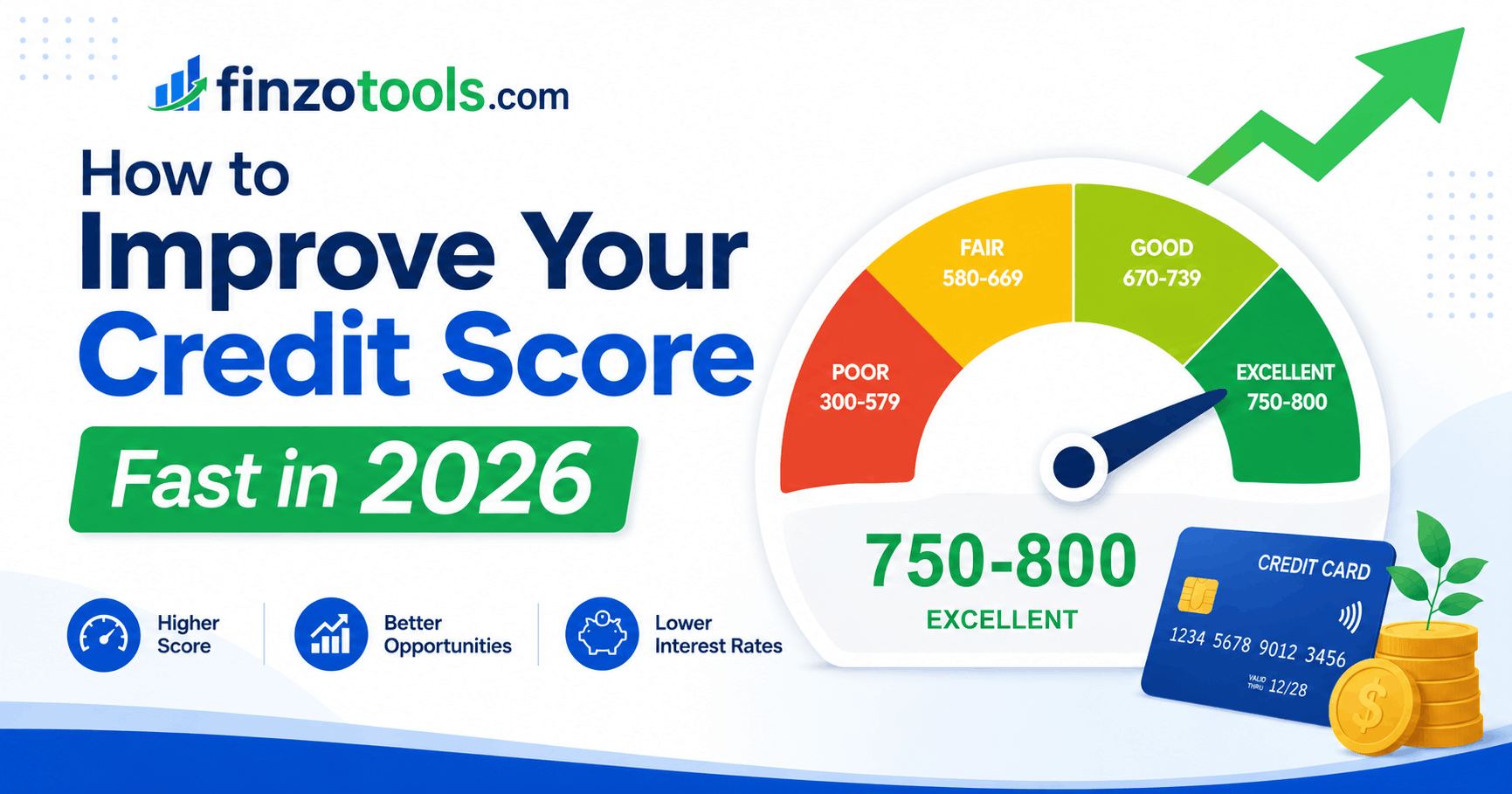
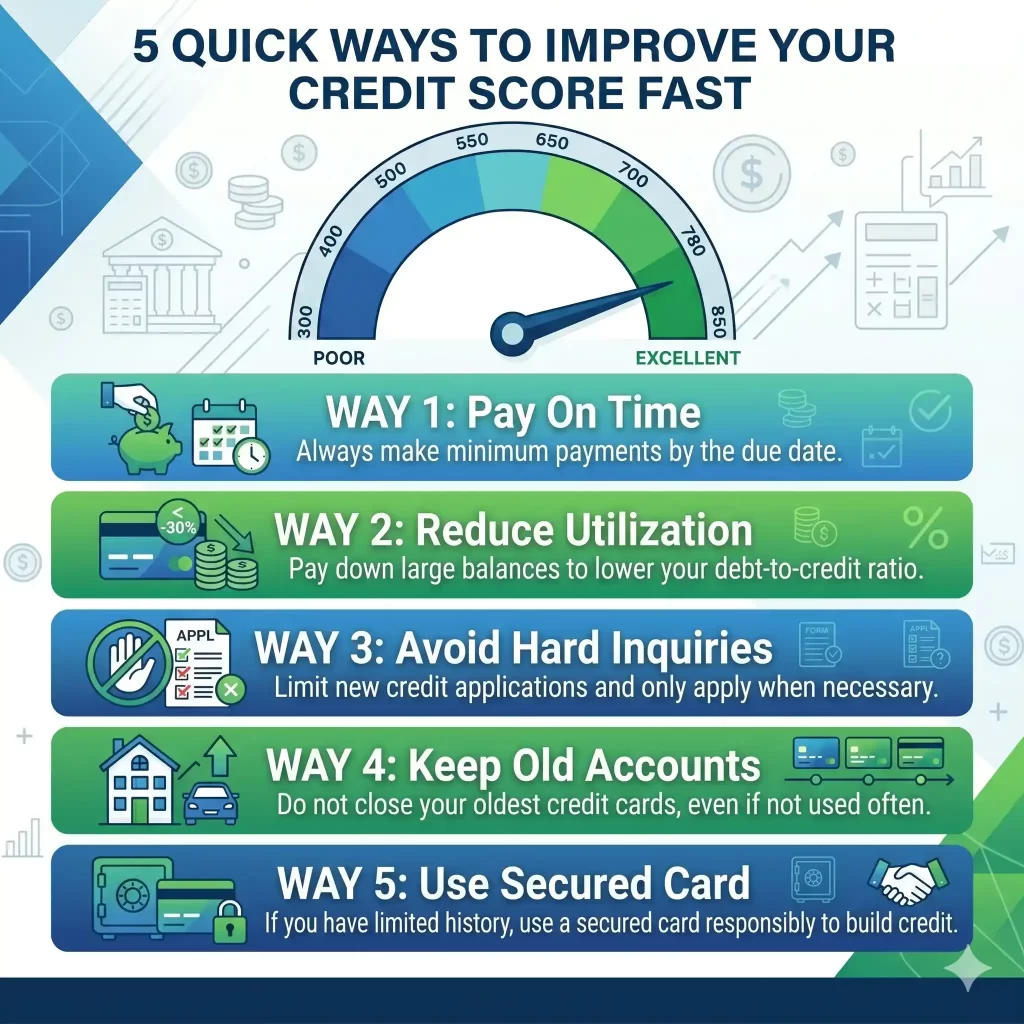
The five elements that comprise your FICO rating. FICOBoth scores fall on the very same scale (300 to 850) and use the exact same general criteria:: The number of payments you have actually missed or made late across your credit rating: Frequently referred to as your; measures how much of your available credit is presently being utilized: The average age of your accounts across loan providers: Just how much brand-new credit you've recently gotten access to, consisting of the number of hard questions: The different types of accounts you've had (charge card, car loans, home loans, and so on)By paying attention to these 5 items specifically the first 2 you can be well on your method to improving your credit score.
Comparing Credit Repair and Financial Methods
According to a from Customer Reports and WorkMoney, 44% of consumers who successfully examined their credit reports found at least one error. In most cases, these problems aren't harmful (such as identity theft) but instead come from easy inaccuracies (including mixed-up accounts or comparable names). Luckily, there's an official procedure for removing these mistakes.
Even if your credit score is high, mistakes on your report may be dragging it down. TOLGART/GETTY IMAGESOnce you've identified a mistake, submit a dispute letter directly to the credit reporting company; you can use the for motivation. The bureau needs to investigate the grievance, generally including going to the company that supplied the disputed info.

Latest Posts
How to Get Free Financial Counseling Near Me

Key Advantages of Professional Credit Counseling Services
The Advantages of Free Financial Counseling Programs